Reactivity in Dogs
Reactivity in Dogs: What It Is and How to Manage It
If you have ever seen a dog barking, lunging, or snapping at other dogs, people, or objects, you may have witnessed a case of reactivity. Reactivity is a term that describes a dog’s overreaction to certain stimuli that trigger fear, anxiety, or frustration. Keep in mind, reactivity is not the same as aggression. Aggression is a deliberate intention to cause harm or damage. Reactive dogs are usually scared or stressed, and they need help to cope with their emotions.

What Causes Reactivity in Dogs?
There are many possible causes of reactivity in dogs, but they are mostly related to genetics, socialization, training, and past experiences.
Some dogs may have a genetic predisposition to be more sensitive or reactive to certain stimuli. Others may have missed the critical period of socialization during puppy-hood when they should have been exposed to different people, animals, and situations in a positive way. Lack of socialization can make dogs fearful or suspicious of unfamiliar things.
Some dogs may have had traumatic or negative experiences that made them associate certain stimuli with pain or danger. For example, a dog who was attacked by another dog may develop reactivity towards other dogs. Finally, some dogs may have learned that reactivity is an effective way to get what they want or avoid what they don’t want. For example, a dog who barks and lunges at people may get more space or attention from their handlers.
How to Manage Reactivity in Dogs
Reactivity in dogs can be challenging and stressful for both the dog and the owner, but there are some strategies that can, help manage it.
Here are some tips:
Identify your dog’s triggers and thresholds –
- Triggers are the stimuli that cause your dog to react; such as other dogs, people, cars, noises, etc. A threshold is the distance or intensity at which your dog can tolerate the trigger without reacting. Try to avoid exposing your dog to triggers that are too close or too intense for them to handle.
Use positive reinforcement to teach your dog alternative behaviors –
- Instead of punishing your dog for reacting, reward him for staying calm and focused on you when he encounters a trigger. You can use treats, toys, praise, or anything else your dog likes as a reward. You can also teach your dog cues such as “look at me”, “sit’, “leave it”, or “let’s go'” to redirect their attention away from the trigger.
Seek professional help if needed –
- AZ Dog Sports can help you with this common issue. If your dog’s reactivity is severe or you feel overwhelmed by it, our behavioral trainers will get you and your dog on the right track by setting you up with a personalized training plan. A medical professional can also rule out any medical issues that may contribute to your dog’s reactivity.
Reactivity in dogs is not a hopeless condition.
With patience, consistency, and positive reinforcement; you can help your dog overcome their fears and frustrations and enjoy a more relaxed and happy life.
AZ Dog Sports can help you and your dog!
Call 602-237-6775 to discuss your options with us.
What senior citizens should look for when adopting a new dog
Adopting a new dog can be a wonderful experience for senior citizens.
Dogs can provide companionship, motivation to exercise, and a sense of purpose. However, selecting a dog that is compatible with the senior citizen’s lifestyle and abilities is crucial. Here are some things to consider when adopting a dog if you are (or you know) a senior citizen:
Size
Smaller dogs are generally easier to manage, especially for those with limited mobility. They also require less exercise and can be more adaptable to smaller living quarters.
Energy level
Dogs with lower energy may be a better fit for seniors who are less active. Breeds that require a lot of exercise may be too demanding for seniors.
Temperament
It’s important to choose a dog with a gentle and friendly temperament. A dog that is too high-strung or aggressive may not be a good fit for a senior citizen.
Age
Consider adopting an older dog that is already trained and has a calmer disposition. This can be a good fit for seniors who are looking for a companion dog that is not too demanding.
Health
Make sure the dog is in good health and has been checked by a veterinarian. Older dogs may require more frequent vet visits, so it’s important to factor this into the decision.
Training
Consider adopting a dog that has already been trained or be prepared to invest time and effort into training a new dog. A well-trained dog can be easier to manage and provide a sense of security.
Lifestyle
Think about the senior citizen’s lifestyle and daily routine when selecting a dog. If the senior citizen travels frequently or has a busy schedule, a dog that requires a lot of attention may not be the best fit.
Adopting a dog can be very rewarding for senior citizens, but it’s important to choose a dog that is compatible with your lifestyle and abilities. By considering the factors listed above, seniors can find a loving companion that brings joy and companionship into their lives.

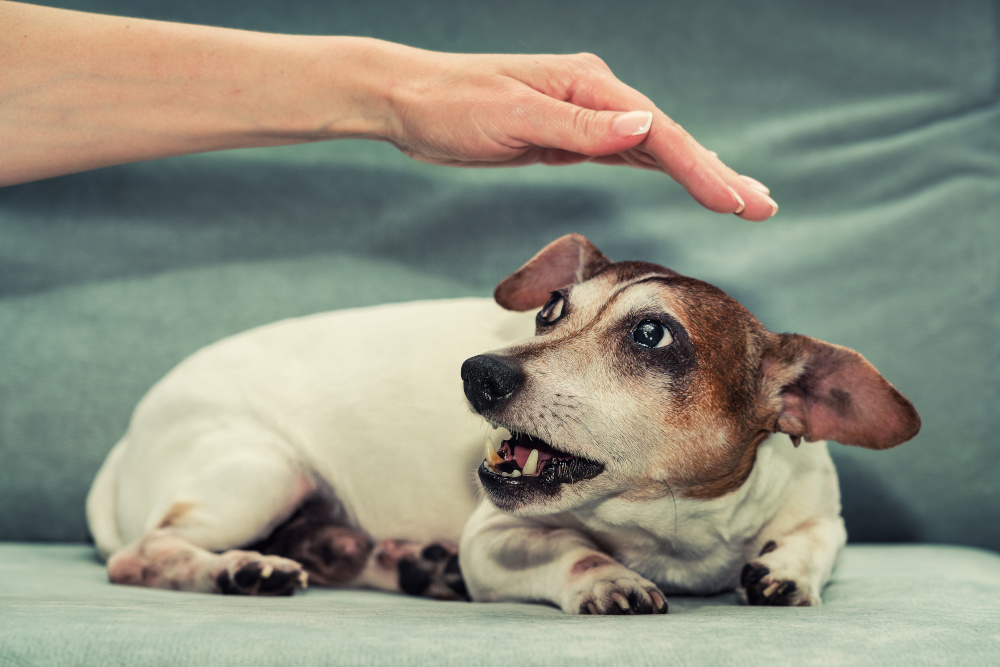
Does your dog growl at you or others?

What does it mean when my dog growls at me or other people?
Dogs will growl as a way to let us know, “hey I don’t like that.” It’s a warning and we should treat it as such. Our instinct is to discipline the dog, but is that the right thing to do? We found that our trusted sources at The Whole Dog Journal, wrote something that addresses this issue perfectly. Check out their blog here to find out reasons your dog might be growling and the best way for you to handle it, while not crushing his spirit.
For more information you can also check out what the American Kennel Club has to say about growling here.
Please give us a call if you need more answers or would like us to do a behavioral assessment on your pup.
We are here to help! 602-237-6775 or azdogsports@msn.com
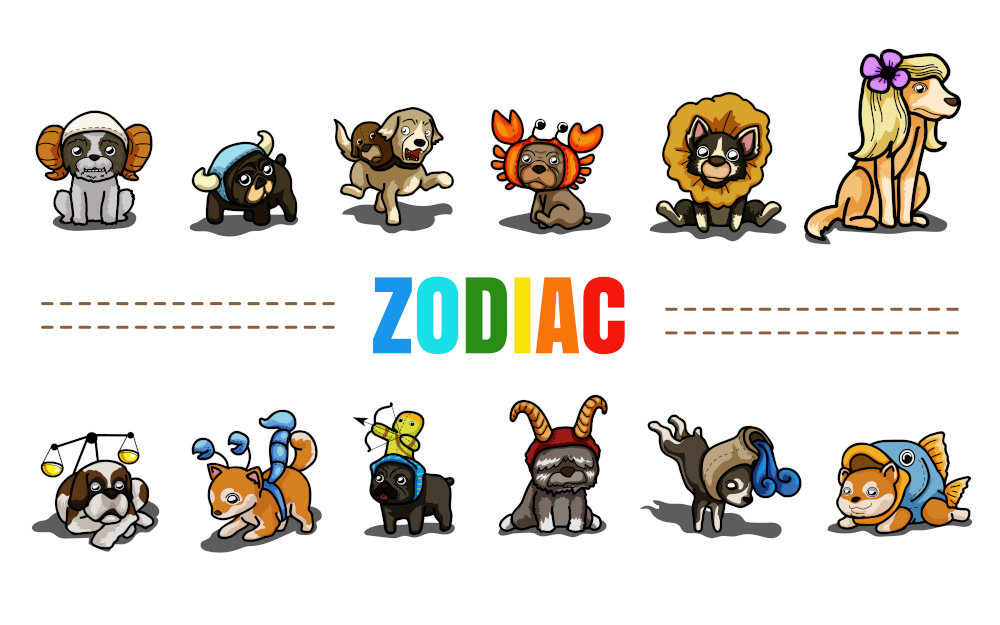
Your Dog and Astrology
Dog Astrology?
Ever wonder if a pet’s personality type is affected by astrology?
Well, we thought it would be fun to check that out and see if you know your pet based on the zodiac.
This month • Aires Dog • March 21 – April 20

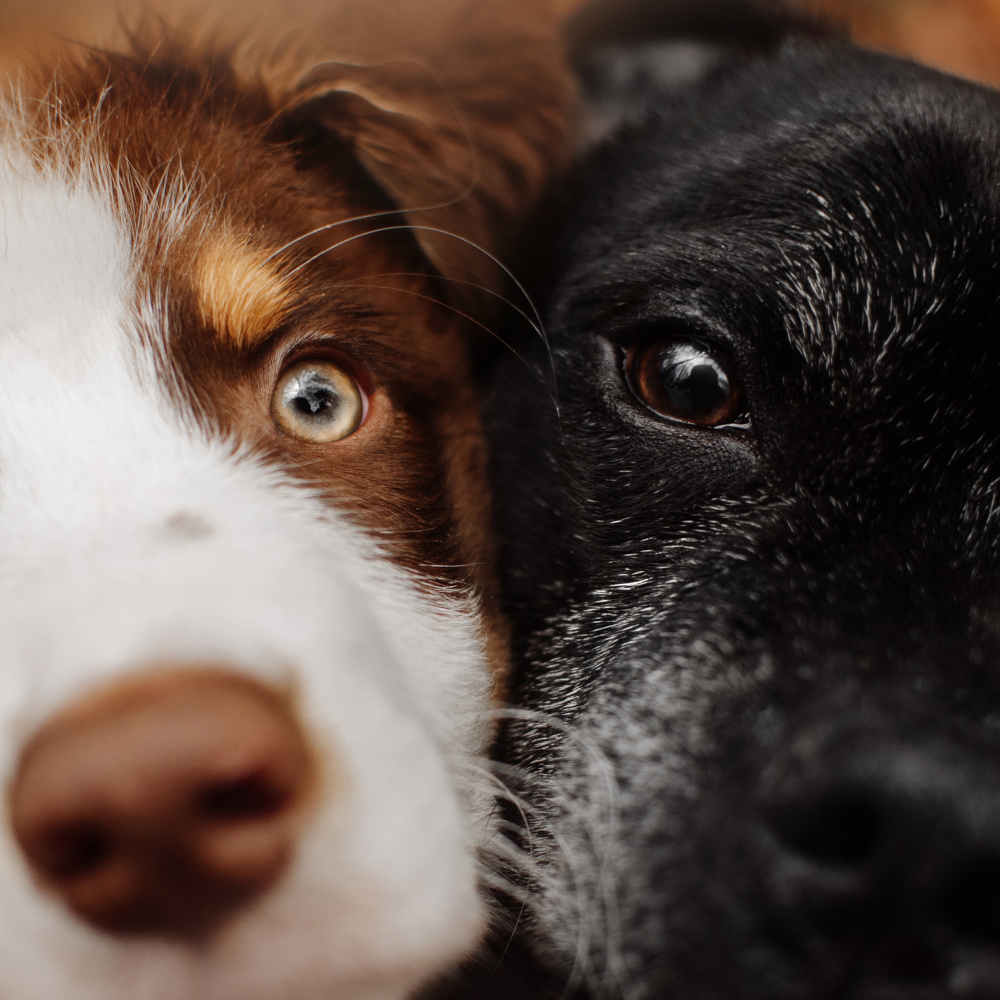
Naturally inquisitive and self-assured, Aires dogs can get themselves in a pickle more often than most of their canine friends. Mars is their ruling planet, and that is for drive and passion.
Aries is a fire sign that represents courage, independence, and aggression. Aries is symbolized by the ram, a symbol of leadership.
Dogs born in late March and early April tend to be independent, energetic, and assertive. These dogs may believe they’re the leader of the pack, walking you instead of being walked by you.
However, they can be headstrong when training; so teaching them recall at a young age is important. You want them to come when called in order to keep them safe.
If you think that your dog’s birthday is in the Aires astrological sign—send us a snapshot to azdspromotions@gmail.com
We love to feature our client’s dogs!
And remember—all dogs can be trained; but just like humans, they have their own unique personality!
- « Previous Page
- 1
- 2
- 3
- 4
- 5
- 6
- …
- 39
- Next Page »