AZ Dog Sports

A Training Gym for Dogs • An Academy for Dog Trainers

AZ Dog Sports • Dog Training Gym

602-237-6775

Sign Up For Classes

AZ Dog Smart Academy • School For Dog Trainers

  • About / Contact
    • About Us
      • Contact Us
      • Dog Trainer Videos
    • Services
      • Dog Training Classes
      • Private Lessons
      • Day Training
      • Board & Train
    • Our Trainers
    • FAQ – Frequently Asked Questions
    • Testimonials
  • Train Your Dog
    • Dog Training Class Calendar
    • In-Home Dog Training
      • Platinum Package
      • Custom 8 Package
      • Lucky Pup Package
      • Virtual Dog Training Sessions
    • Outdoor Dog Training
      • Outdoor Training Classes
      • Swim Lessons
    • Puppy Training Classes
      • Puppy Training Classes
    • Dog Obedience Training
      • Dog Sports Classes
      • Day Training
      • Board & Train
      • Behavior Dog Training
  • Become a Dog Trainer
    • How do I become a dog trainer?
  • Service Dog Training
  • More…
    • Blog
    • Outside Resources
Home » Blog

The Teenage Dog – Surviving Your Dog’s Teens

Last week we posted about Puppies and all things puppy related.  This week, we focus on the next phase….your dog’s teen years.

Two-legged kids are not the only ones to go through an awkward phase. Adolescence—usually thought of as the period from four months to two years of age, a little later for larger breeds—often feels like an honest-to-goodness teenage rebellion. Your young dog develops selective hearing, seems to forget manners they know well, and reverts to puppyish behavior like mouthing, jumping, barking, and destructive chewing. Disheartening as such apparent setbacks can be, remember that adolescence is a phase. It, too, shall pass.

Meanwhile, here are five tips for keeping your sanity intact and raising a polite, easygoing adult dog:

Be consistent with your pooch.

Consistency in routines, training, and expectations is key. Just like human children, young dogs do better with boundaries and rules in place.

Use life rewards.

Dinner, treats, walks, belly rubs, play sessions, a spot on the couch—all are opportunities for manners practice. Use things your dog enjoys to reward him throughout the day for a quick practice of sit or other cues he knows. A little training all day long will help keep your dog’s manners muscles flexing.

Take a dog activity class.

Now is a great time to take training classes or engage with a private trainer to get tips and regular training time in. You wouldn’t consider your human children’s education finished after elementary school, right? Think of this time as junior high for your dog.

Pile on the dog exercise.

The more doggie workouts you can fit in, the better behaved your dog is likely to be. Exercise is the antidote to adolescent hyperactivity. (Just consult with your vet before undertaking strenuous sports. Don’t go running with your dog until he is at least 18 months old, for example, it may damage bone development.)

Puppies, Puppies, Puppies

Did you know these puppy facts?

  • Puppies are born blind, deaf, and toothless, but able to smell.
  • Puppies begin developing permanent teeth around the 12-week mark.
  • Puppies’ eyes and ears begin to open at 10 to 16 days of age.
  • Puppies spend on average 14 hours of every day sleeping.
  • The growth rate of puppies varies widely, depending on the size of the dog. Birth weights can multiply more than tenfold within the first 7 to 8 weeks.
  • Puppies go through several developmental stages early in life: neonatal (0-2 weeks), transitional (2-4 weeks), socialization (3-12 weeks), and adolescence (6-18 months).

How To Puppy Proof Your Home

  • Your house. Hide electrical cords. Hunt for and hide small objects your puppy can chew or choke on. Get guardrails for stairs, low windows, and balconies. Invest in mats or runners for slippery hallways. Place poisonous plants in high spots—or give them to dogless friends.
  • Your kitchen and bathroom. Put safety latches on any cabinet with cleaning supplies or poison. Keep plastic bags out of your puppy’s reach, and secure your garbage can.
  • Your yard. Make sure your yard is escape-proof. Put a fence around your pool—or keep your puppy away from it. Make sure chemicals, fertilizers, and sharp garden tools are off-limits.
  • Always supervise. That’s indoors and out. If you can’t supervise, put your puppy in a confinement/safe area with a toy.

If you recently adopted a new puppy….click here to sign up for one of our popular puppy classes!


Dog’s Ears & Preventing Ear Infections

dog's ear infections, az dog sports, dog training phoenix, dog training scottsdale

Dog’s ears are impressive.

For example, they can swivel to locate the source of a sound in 6/100 of a second. However, the design of canine ear canals leaves something to be desired. Their shape (a downward plunge followed by a horizontal tract) can leave debris stuck too easily, which is why dogs—floppy-eared ones in particular—are prone to ear infections.

Telltale signs your dog has an ear infection include:

  • ear scratching
  • colored discharge
  • odor
  • redness
  • swelling
  • crusted or scabby skin
  • impaired hearing
  • Also pay attention if your dog wipes his ear on the floor or furniture, or if he shakes his head a lot.

How to Prevent Ear Infections

Gently dry your dog’s ears after swimming or baths, and occasionally clean his ears with a cotton ball dampened with a solution recommended by your vet. If you suspect a problem, it’s important not to self-diagnose. Bacteria or yeast causes most ear infections, and both require veterinary treatment.

Can Dogs & Cats Coexist Peacefully?

A Harmonious Multi-Species Household

Cats and dogs can live peacefully together, but getting off on the right, er, paw, is much easier than trying to smooth out already ruffled fur. Here are a few tips…

Go slow. For the first week or so, let your cat and dog coexist without meeting, getting used to each others’ presence and smell. Make the first several introductions with your dog on leash, allowing your cat to approach and leave at will. Keep meetings brief, graduating to a dragged leash if all goes well.

Give kitty a safe space. Maintain a cat-only zone that your cat can access at all times. Put her food, water, and litter box in this room so she can relax dog-free as desired.

Keep an eye on it. As their relationship grows, continue to monitor interactions. Offer praise and treats for calm, polite behavior toward the other, and redirect to alternate activities if you notice tension.

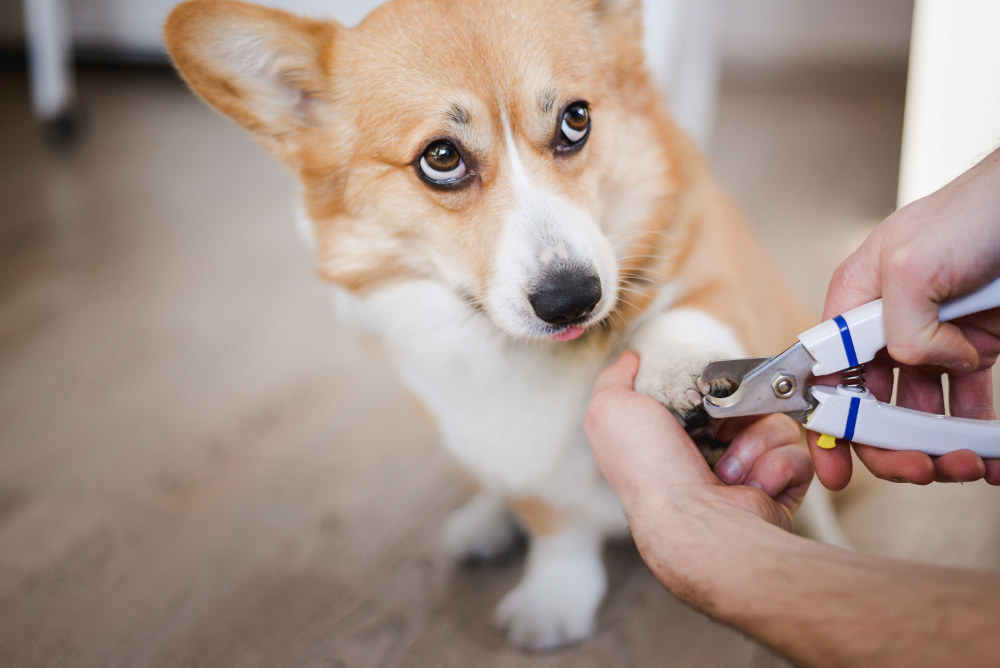
How to have a stress-free dog nail trim

dog nail trim

If you can, arrange to have a Fear-Free veterinarian, vet tech, or groomer show you how to trim your dog’s nails, or watch a video: it’s much easier to replicate if you see it done first.

The prep. Have delicious treats on hand to dish out with every snip of the trimmers. If your dog has already had a bad experience or is nervous, go slow. Better to get less done but have a good experience that builds a lifetime of easy nail trimming.

The strategy. Aim to cut a little bit at a time to make sure you don’t hit the painful pink part. Cut conservatively first and then use a nail file from there.

The trimming. Hold your dog’s paw and gently push out a nail. Avoid the pink (live) part of the nail. When you cut, be quick, smooth, and decisive. After each snip, give your dog a yummy treat.

The alternatives. If nail trimming is just too stressful for you or your dog, consider filing down your dog’s nails with a dremel made for that purpose, or teach your dog to use a scratch board.

  • « Previous Page
  • 1
  • …
  • 8
  • 9
  • 10
  • 11
  • 12
  • …
  • 39
  • Next Page »

azdogsports@msn.com

google review dog training, az dog sports, google arizona dog trainingAZ-Dog-Smart-Academy-Schools-for-dog-trainersdog*tec certified apdt_logoAZ Dog Sports earns Angies List Award

  • About / Contact
  • Train Your Dog
  • Become a Dog Trainer
  • Service Dog Training
  • More…

Copyright © 2026 · AZ Dog Sports, all rights reserved · Privacy Policy